
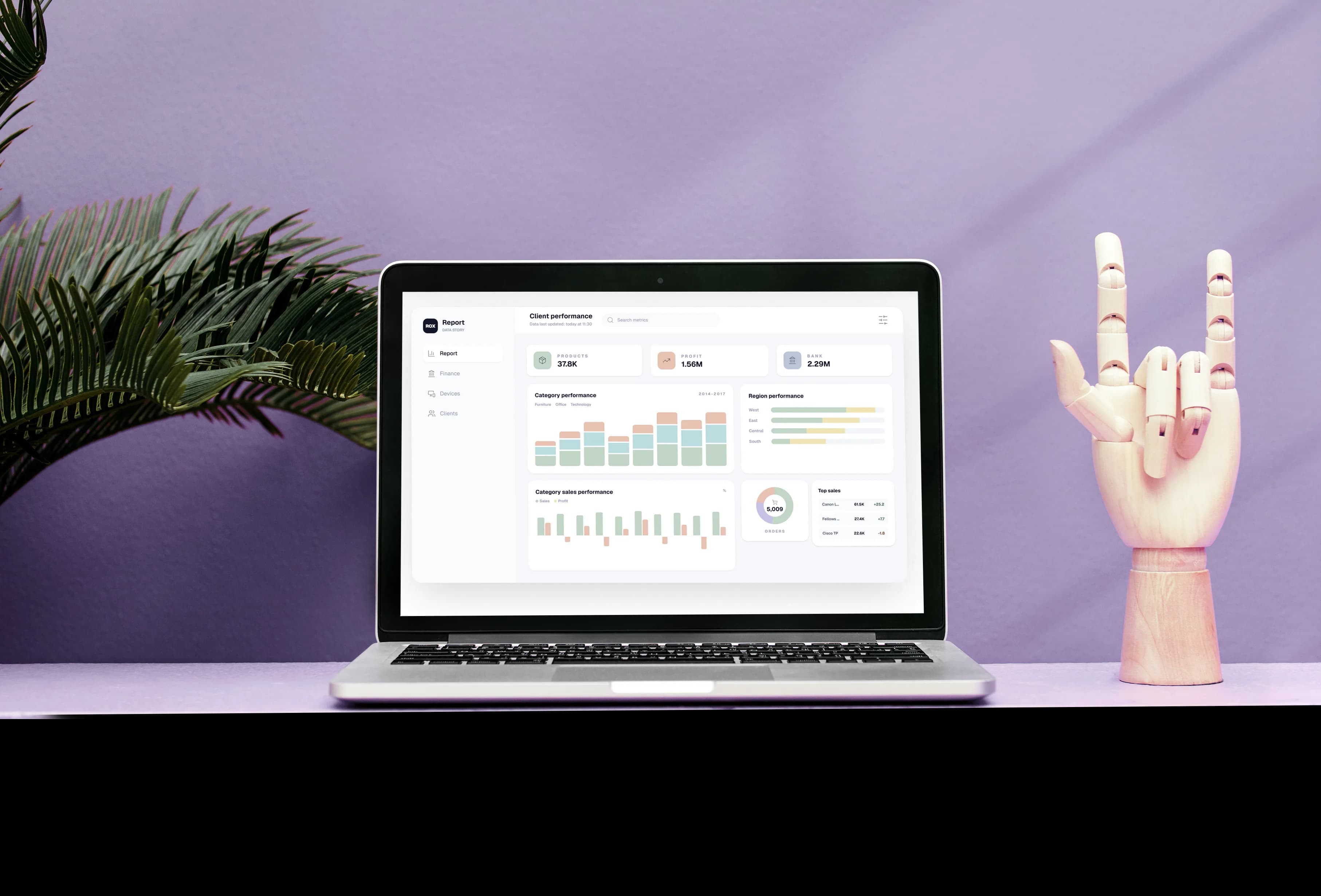
Increasing the Adoption of Data-driven Decision Making
In the complex landscape of today's business, understanding and leveraging data has never been more critical. In the face of sophisticated competition and rapidly evolving customer expectations, organizations are recognizing the need for a more data-centric approach to strategic decision-making.
Data-driven decision making means collecting and analyzing data to guide strategic business choices. This shift creates a more objective and consistent decision-making process, reducing the subjective bias that can skew perception and interpretation.
Implementing a data-driven strategy is not only a technological transformation. It is also a cultural change. Organizations need to embed data into decision-making routines and make sure teams understand the value of data and feel comfortable using it.
Data also needs to be accessible. Strong data architecture, integrated sources, and streamlined analytics platforms make information easier to understand, use, and act on.
The next step is advanced analytics: moving beyond descriptive reporting into predictive and prescriptive insight powered by AI and machine learning where it adds practical value.
The transition to data-driven decision-making is no longer optional for organizations that want to thrive. By building a data culture, improving accessibility, and applying advanced analytics, businesses can increase adoption and turn data into better decisions.